Teach your agent the human product design touch.
Your AI agent can ship a feature in an afternoon. This playbook teaches it to ship one that users adopt: 175+ tactical product design cards you feed straight into Claude, Cursor, or any agent you build with.
One-time payment · Lifetime updates · In your agent's context in minutes
Used by 1.1k+ founders & teams
What builders say.
"We used many of these strategies to reach $100K MRR in just a few months"
"There's so much advanced product insight. It's quickly obvious that this is experienced-level knowledge. Kinda don't want others to find it."
"We used the onboarding plays to redesign our first-run experience. Downloads-to-activation jumped from 68% to 87% in a couple of weeks"
"The way the cards connect together is probably my favourite part. I started spotting quick wins in my own app really quickly. It's been great!"
"I pull this out at the start of every new project engagement. It's helped me think beyond screens and that's helped me charge more for my work"
"Most design resources are written around visuals. This one actually ties in metrics and outcomes which is what I need when I'm selling decisions upward."
"Refreshing using a resource that is this actually practical and not full of nothing"
Card previews
Each card shows your agent how to design emotion.
Real tactic cards paired with the apps that use them. This is exactly what your agent reads.
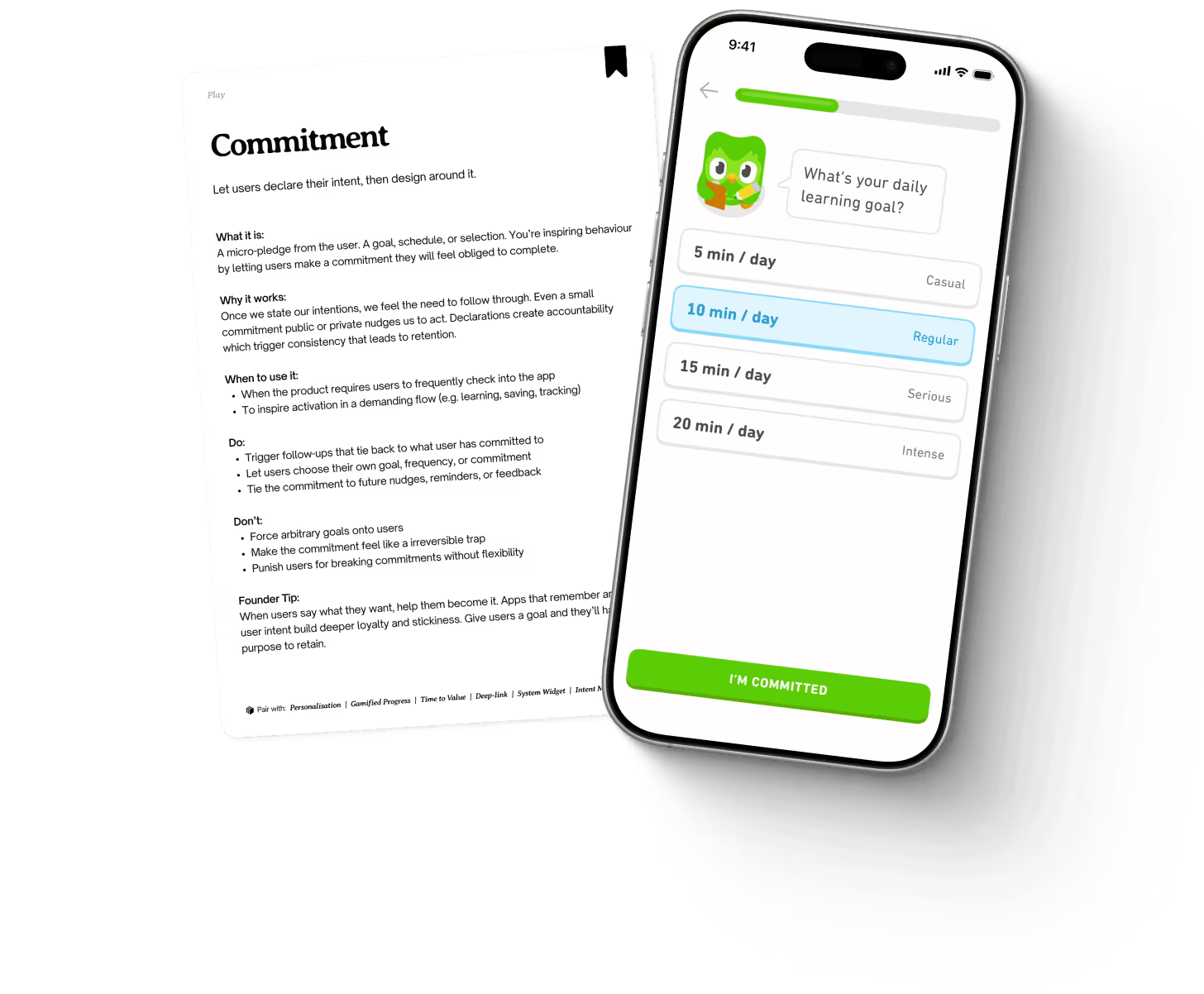
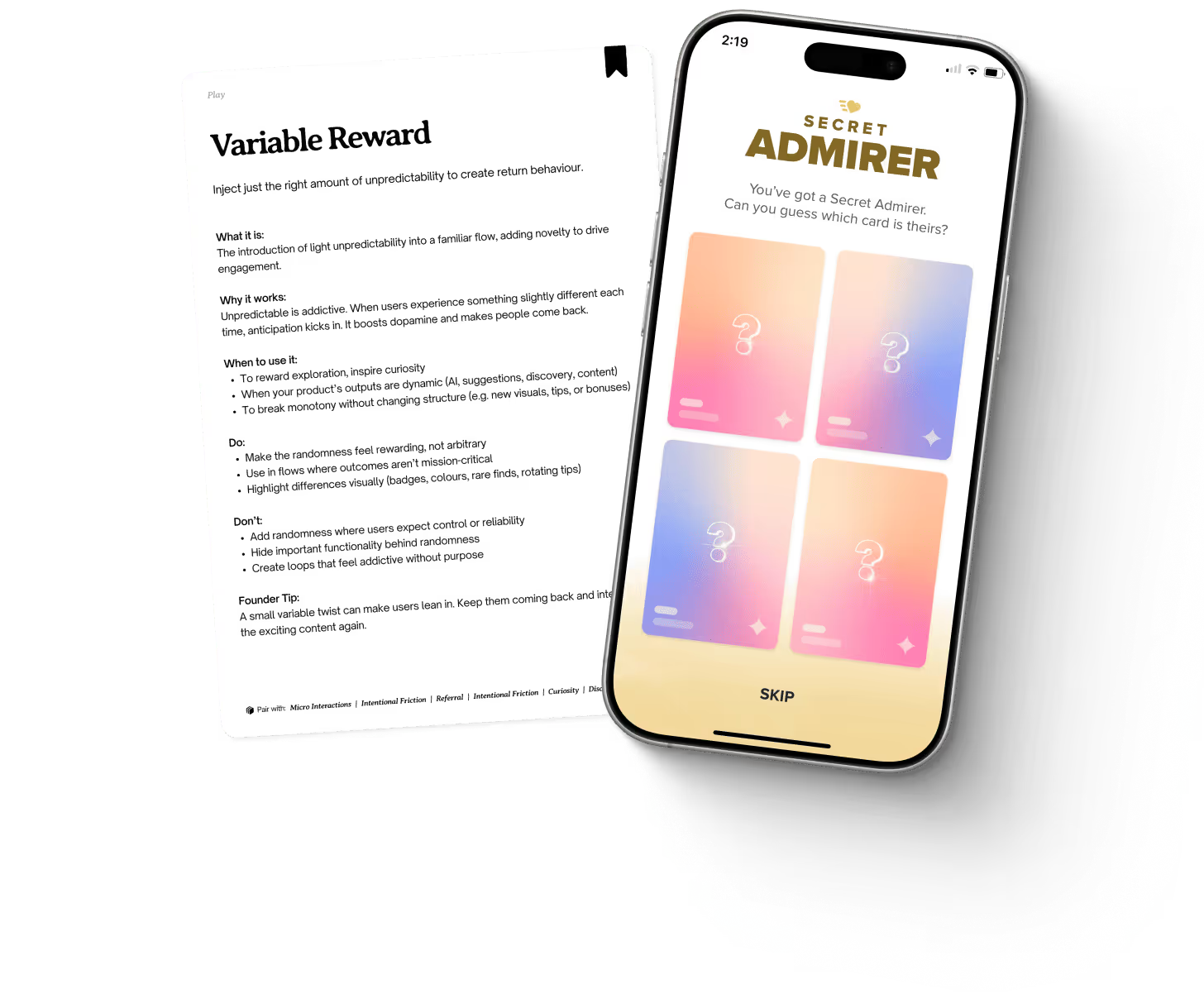
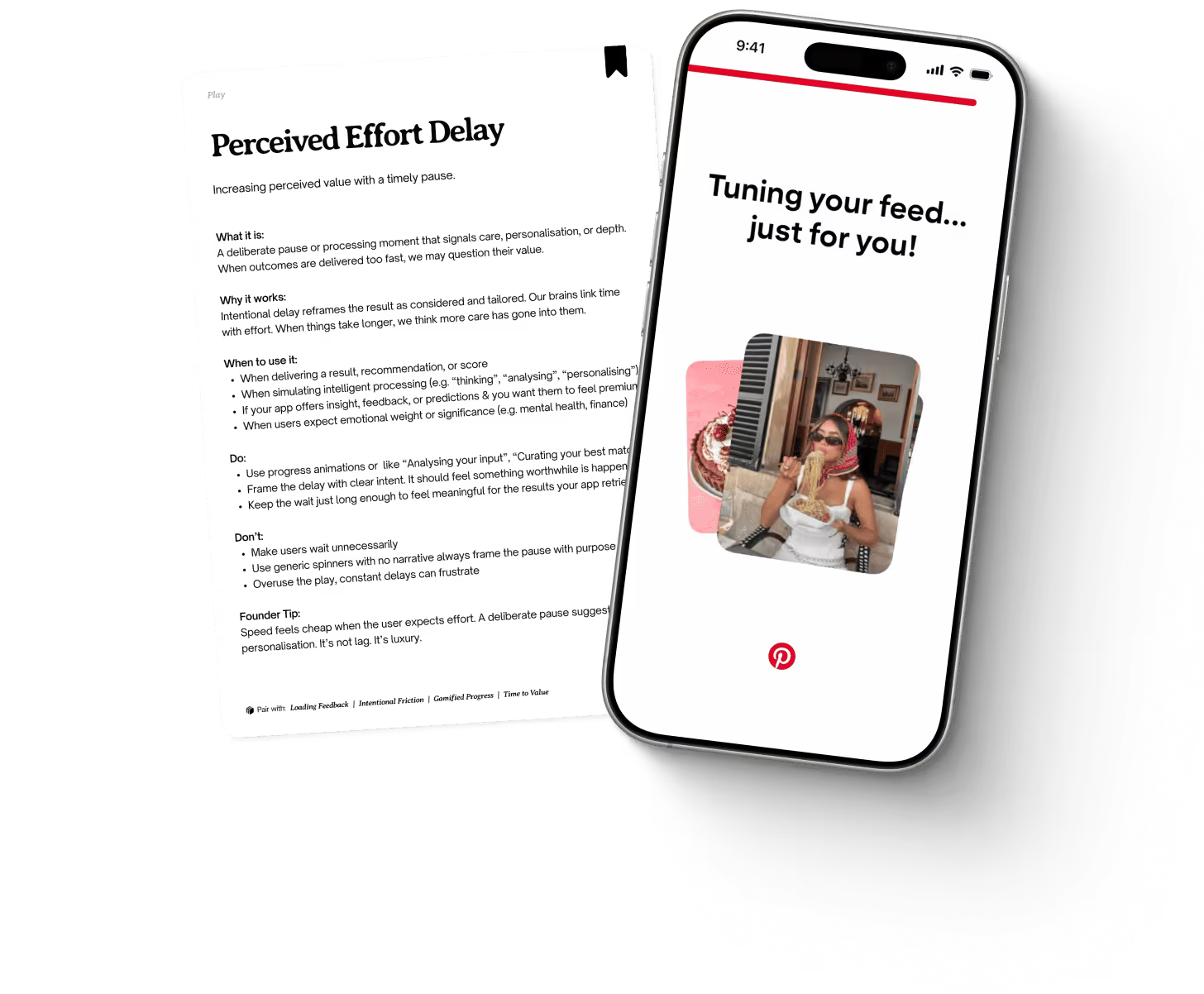
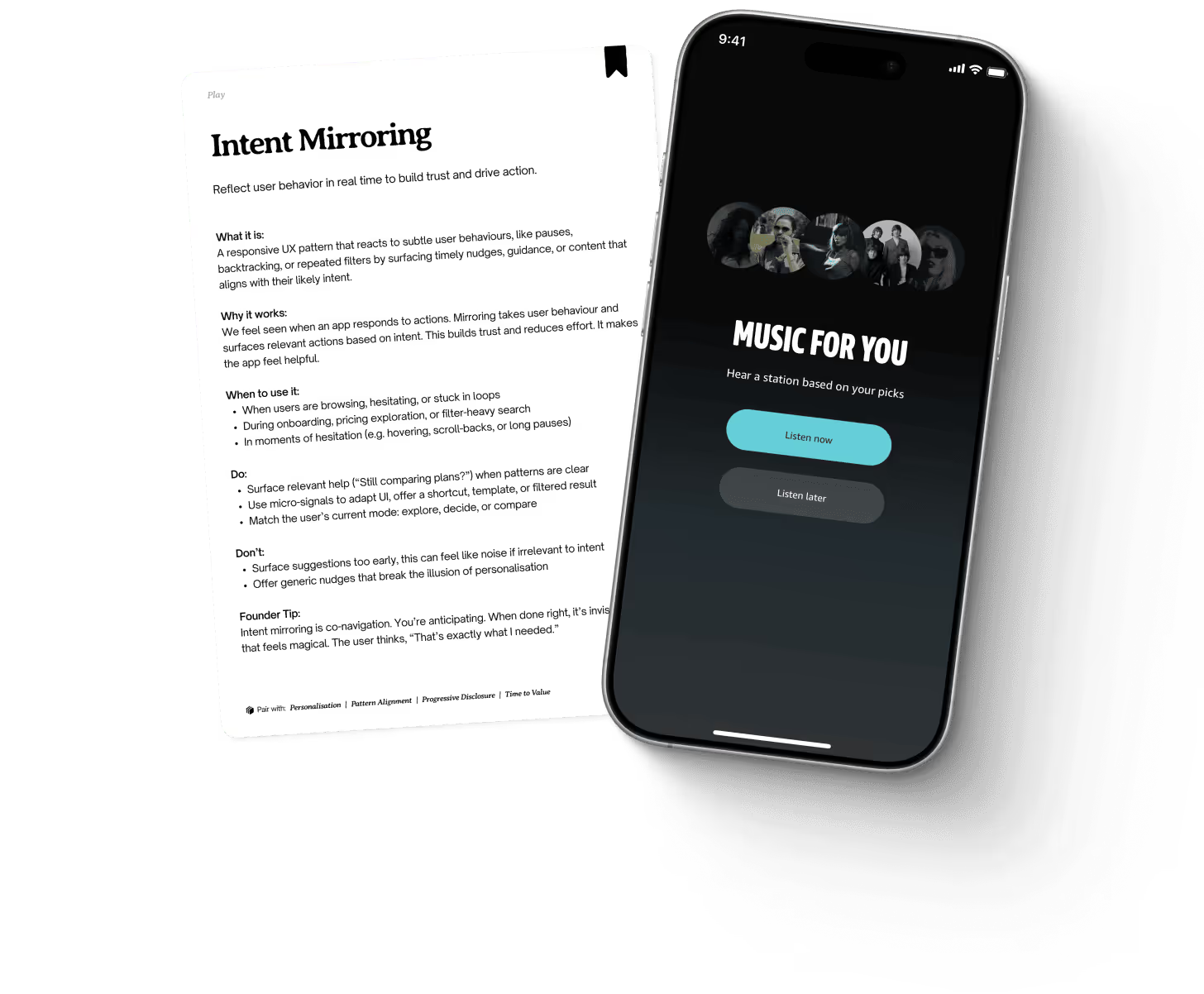
Commitment Card
Shifts psychology. Users feel ownership and stick around


Variable Reward Card
The small dopamine pulse after the anticipation


Perceived Effort Delay Card
When something takes time, it's seen as more valuable.


Intent Mirroring Card
The pause transforms an interaction into a meaningful moment.


See examples
Over a 100 screens of visual inspiration from the best apps.
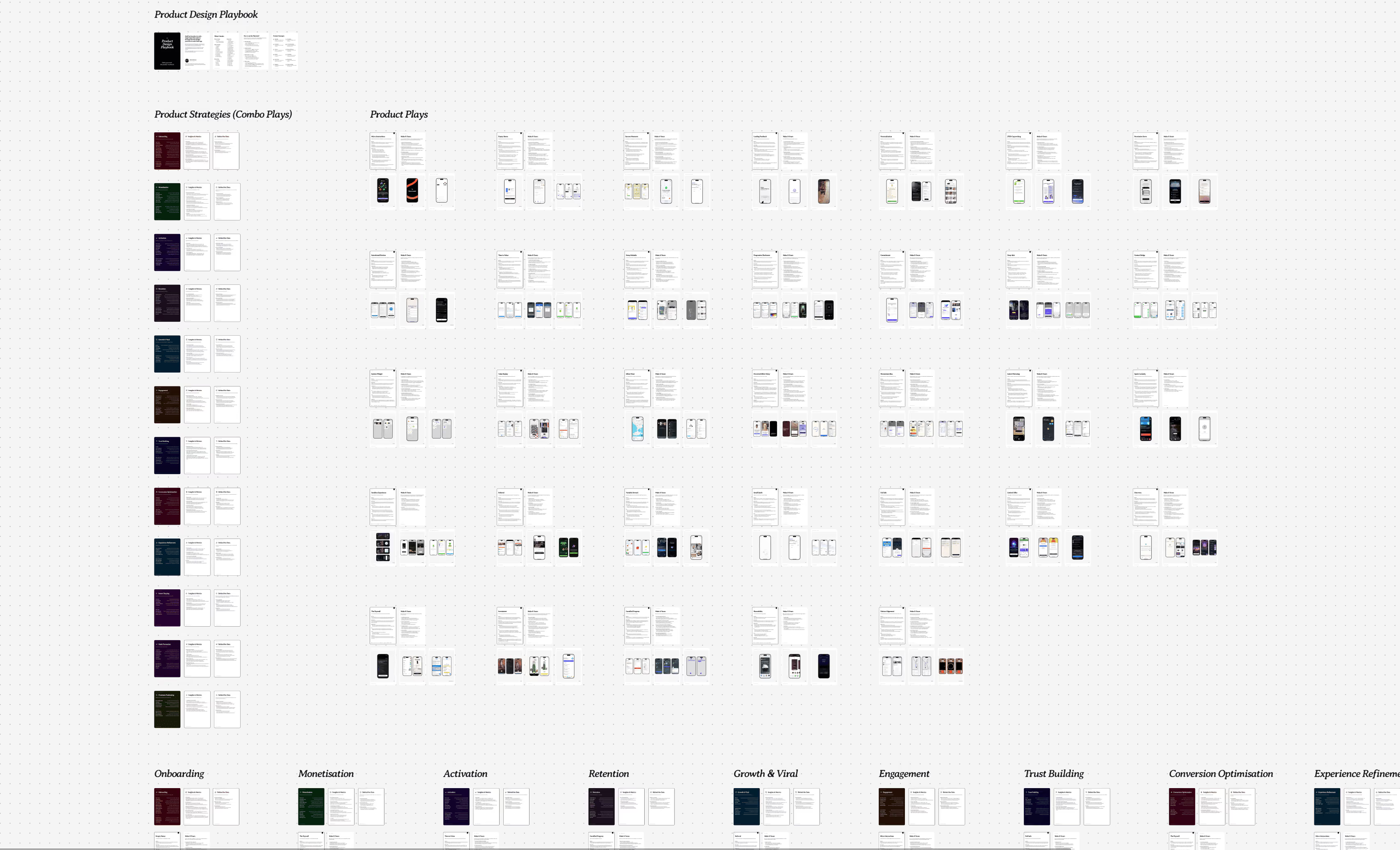
Each tactic card includes three real world examples from the best apps in the market. Get their strategy and see their execution.
How it works
Three steps to a design-literate agent.
Drop the playbook into your project
The cards are structured text. They go straight into your agent's context, rules file, or knowledge base. Claude Code, Cursor, Windsurf, custom agents: anywhere your AI reads instructions.
Ask through any lens
"Audit my onboarding against the playbook." "Design this paywall using the monetisation stack." "Rewrite this empty state." The agent now reasons with named plays instead of generic best practice.
Ship features that land
Every screen your agent produces comes with the psychology built in: the timing, the copy, the moment design that makes users adopt it instead of ignore it.
I've been using Claude Code / Claude Design and I exported all of the playbook to seed it so that I can do UI audits on my project from the lense of onboarding for example and have it generate ideas that I then put back into Claude Design. It's been working insanely well, shipping extremely fast and getting many more users much faster now
The problem
Agents ship fast. They also ship defaults.
Ask an AI to build a screen and you get something competent and forgettable: the empty state that says "No items found", the paywall that fires on launch, the button that says "Continue". Each one is defensible. Together they produce a product nobody feels anything about. Seed your agent with the playbook and the defaults change:
What your agent learns
33 named plays for your agent to get the experience right.
The playbook's real asset is vocabulary: moves your agent can reach for by name. Here's what sits behind each outcome:
Inside the playbook
175+ cards to teach your agent.
Every card follows the same anatomy: what the tactic is, why it works psychologically, when to use it, what to do, what to avoid, plus a founder tip and the plays it pairs with. Structured exactly the way an agent (or a human) can act on.
The Product Design Playbook
$97
One-time payment. No subscription.
- 175+ cards across 12 product stacks
- Agent-ready format: seed Claude, Cursor, or any AI you build with
- Every card: what, why, when, do, don't, founder tip, pairings
- Lifetime updates as new plays are added
Instant download after checkout